
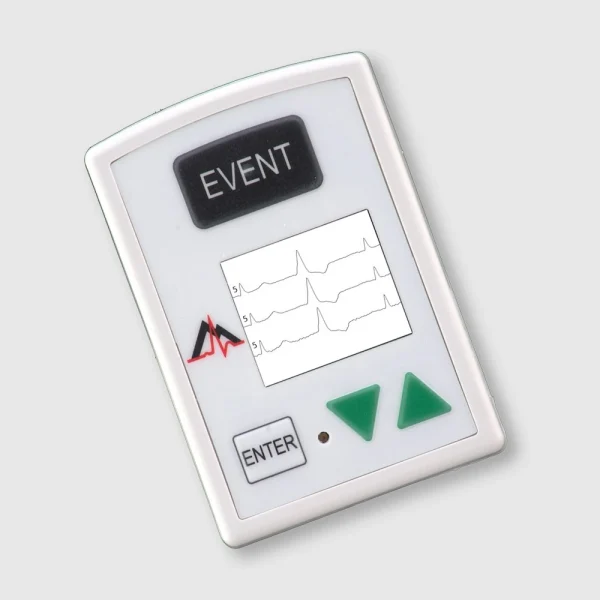
The ambulatory ECG market is saturated. A clinic shopping for Holter monitors today will hear from global imaging conglomerates, patch-technology startups, scanning-service companies, and everything in between — and most of the brochures will say roughly the same things.
Having supplied and serviced this equipment across Canada for over three decades, we have watched customers make great purchases and regrettable ones with the same budget. The difference is almost always in the questions asked before signing. Here is the framework we suggest — use it on us, too.
Key Takeaways: The 8-Question Holter Comparison Framework
- Channels & duration — can one 3-channel device cover 24-hour through 14-day studies, with no excluded patient groups?
- Software — permanent license, subscription, or per-study fees? This is the largest hidden cost in the category.
- Warranty — terms range from none to 3 years; ask for recent replacement turnaround times (market range: 48 hours to two months).
- Designed lifespan — search the manual for “discard” and “expiry”; some devices retire at 5 years, others serve 7–12.
- Power, hook-up options, IP rating, and the vendor’s own service capability round out the comparison.
Channels and Recording Duration: Can One Device Cover Your Whole Program?
The market splits meaningfully here. Single-channel patch devices are simple, but one channel limits arrhythmia characterization, and some cannot be used on patients with pacemakers, ICDs, or neurostimulators — which excludes exactly the patients a cardiology practice sees most. At the other end, some platforms require a different recorder model for each recording duration, which quietly multiplies your fleet cost.
Reimbursement differentiation for 1 vs 3 channel
Touch on logistical/operational benefit of one comprehensive device vs scheduling in solution with different model for various durations.
What to look for: 3-channel recording on a single device that spans 24-hour, 48-hour, 7-day, and 14-day studies. One platform, every indication, no excluded patients.
Software: Do You Own It, Rent It, or Pay Per Study?
This is the largest hidden cost in the category, and vendors are not always forthcoming about it. The market offers three models:
- Scanning service: every study is sent out for analysis, often at $100+ per study. Painless to start, but on real clinic volumes it transfers your procedure margin to the vendor indefinitely.
- Subscription license: in-house scanning, but the software expires — annual renewals can run to five figures, and lapsing means losing access to your own workflow.
- Permanent license: a one-time purchase; you scan in-house, forever, at no marginal cost per study.
What to look for: a permanent license — or at minimum, a vendor who will show you the ten-year software cost in writing next to the hardware quote.
Warranty: The Number That Predicts Everything Else
Warranties in this market range from effectively none (single-use and service-model devices) through one or two years, up to three years. Beyond the coverage itself, the term signals how the manufacturer expects the product to age.
What to look for: a 3-year warranty on the recorder — and ask what the replacement turnaround was for the last few claims. Documented turnarounds in this market range from 48 hours to two months.
Designed Lifespan: Read the Manual Before You Buy
Here is a check almost nobody performs: search the user manual for the words “discard,” “refurbish,” and “expiry.” Some recorders are recommended for disposal or mandatory refurbishment after five years or a set number of recordings; some use proprietary battery packs that expire on a schedule regardless of use.
What to look for: a device with no engineered retirement date, serviceable by the vendor, with a realistic 7-to-12-year working life. Over that span a well-utilized recorder can return on the order of $150,000 — a device that retires at year five leaves roughly half of that on the table.
Power Source: Boring, but It Decides Your Turnaround Workflow
Standard AA/AAA batteries mean instant turnaround and pennies per study, at the cost of battery stock management. Rechargeables eliminate consumables but need a charging step between studies. Watch for the third category: proprietary external packs that must be swapped on a schedule mid-study, or batteries embedded in single-use electrodes that turn every study into a consumables purchase.
LOVE this point
What to look for: either standard batteries or built-in rechargeable — ideally a product family offering both, so you can match the workflow to each site.
Hook-Up Options: Patch, Cable, or Both?
Patch-style recorders are faster to apply and more comfortable for extended wear; conventional cables offer flexibility across body types, pediatric patients, and situations where a patch placement will not serve. Many vendors offer only one philosophy.
What to look for: a platform covering both — leadless patch, patch with lead wire, and multi-lead cable configurations — so the device adapts to the patient rather than the reverse.
Durability: Check the IP Rating, Not the Adjective
“Water resistant” is marketing language; an IP rating is a test result. Extended-wear studies mean showers, sweat, and real life, and devices in this market range from no rating at all up to IP68. A recorder that fails in the shower on day nine costs you the whole study — and the rebook.
What to look for: a published IP rating appropriate to your wear protocols, and clear patient instructions to match.
The Vendor Behind the Device
Finally, the question that outlasts every spec: who supports this device in year six? Some excellent hardware is sold through channels with no local service capability at all. Ask where repairs physically happen, whether loaners are provided, who trains your staff — and then call their support line before you buy and see who answers.
How Our Platform Answers This Framework
We hold the equipment we carry to the same eight questions. The Holter platform Image Monitoring INC distributes — the patch-style DR400 and cable-based DR200/HE — offers 3-channel recording up to 14 days on one device, permanently licensed analysis software, 3-year warranties, standard-battery and rechargeable options, patch and multi-lead cable hook-ups, and no engineered retirement date. Behind it sits our own in-house service department in Mississauga, supporting customers coast to coast for 35 years.
We would rather earn the comparison than avoid it. Bring us your shortlist and your volumes, and we will build the ten-year cost picture with you — including the columns other quotes leave out.
Request a side-by-side demonstration: 905-607-4116 or 1-800-268-0759 | www.imagemonitoring.com
Frequently Asked Questions
What is the best Holter monitor to buy?
There is no single best device — but the best purchase for most clinics and hospitals is a 3-channel recorder covering 24-hour through 14-day studies, with a permanent software license, a 3-year warranty, a published IP rating, both patch and cable hook-up options, and a vendor with in-house service. Score any shortlist against those criteria.
Are patch Holter monitors better than cable ones?
Each fits different patients: patches apply faster and wear more comfortably for extended studies, while cables adapt better across body types and pediatric patients. Single-channel patch devices also cannot be used on patients with pacemakers, ICDs, or neurostimulators. The strongest option is a platform offering both hook-up styles on the same recorder.
What does Holter analysis software cost?
It depends on the licensing model: scanning services charge per study (often $100+ each), subscription licenses can renew at five figures annually, and permanent licenses are a one-time purchase with no per-study cost. Over a 10-year fleet life, the difference between these models is frequently larger than the cost of the recorders themselves.
How many channels does a Holter monitor need?
Three channels is the practical standard for arrhythmia characterization. Single-channel devices are simpler but limit diagnostic detail and often exclude device patients — a significant share of a cardiology practice’s referrals.